
Problem-solving is a core cognitive skill that children begin developing from a very early age. It influences how they think, reason, and respond to challenges in both learning and daily life. One of the most effective ways to support this development is through play. Toys, when used correctly, give children opportunities to think independently, test ideas, and learn from outcomes. This article explains how toys contribute to problem-solving skills in young children and why they play a vital role in early learning.
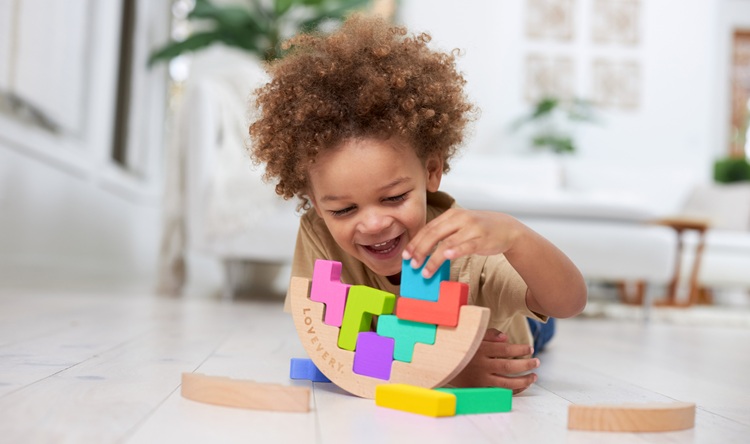
The Connection Between Play and Cognitive Development
Play is a natural learning process for children. While interacting with toys, children observe patterns, make decisions, and attempt solutions based on trial and error. These activities strengthen logical thinking and help children understand cause-and-effect relationships.
Unlike passive learning, play encourages active participation. Children are required to think about what they are doing and adjust their actions based on results. This mental involvement supports how toys help kids in early education by building foundational thinking skills that are later applied in academic settings.
How Problem-Solving Skills Develop Through Toys
Problem-solving does not develop instantly. It is built through repeated exposure to situations that require thinking and decision-making. Toys create these situations in a controlled and safe way.
For example, a child stacking blocks must decide which block fits best to keep the structure from falling. If it collapses, the child reassesses the approach and tries again. This process of identifying a problem, testing a solution, and adjusting actions strengthens reasoning abilities over time.
Types of Toys That Support Problem-Solving
Different toys contribute to problem-solving in different ways. Each category encourages specific thinking skills.
Building and Construction Toys
Building blocks, interlocking pieces, and construction sets require planning and spatial awareness. Children must figure out how pieces connect and how to balance structures. These toys promote logical sequencing and help children understand structure and stability.
Puzzles and Shape Sorters
Puzzles challenge children to recognize patterns, shapes, and spatial relationships. Completing a puzzle requires focus, patience, and strategy. Shape sorters help younger children identify differences and similarities while learning how objects fit into specific spaces.
Pretend Play Toys
Pretend play toys such as play kitchens, tool sets, or toy vehicles introduce real-life scenarios. Children create situations and resolve imagined problems, which supports decision-making and flexible thinking. These activities also encourage children to think ahead and adapt when plans change.
Encouraging Trial and Error Without Pressure
One important aspect of toys is that they allow children to make mistakes without consequences. This creates a learning environment where children feel comfortable experimenting.
When a solution does not work, children are encouraged to try another approach. Over time, this builds persistence and confidence. Children learn that failure is part of learning, which is an important mindset for academic and personal growth.
Improving Focus and Attention Span
Problem-solving requires concentration. Toys that involve steps, rules, or sequences help children develop longer attention spans. When children focus on completing a task, they practice staying engaged until a goal is reached.
This skill becomes useful in classroom learning, where children are expected to follow instructions and complete assignments independently. Toys act as early training tools that prepare children for structured learning environments.
Supporting Independent Thinking
Toys often allow children to play independently, which encourages self-guided learning. When children solve problems on their own, they learn to trust their judgment and reasoning skills.
Parents and educators play an important role here by allowing children time to think rather than offering immediate solutions. Observing a child’s approach provides insight into their thought process and areas where guidance may help.
Role of Adults in Guided Play
While independent play is valuable, adult involvement can deepen learning. Asking simple questions such as “What do you think will happen if you try this?” encourages children to reflect on their actions.
Adults can also introduce new challenges by slightly increasing difficulty or offering alternative ways to use toys. This keeps problem-solving activities engaging while supporting steady skill development.
Long-Term Benefits of Problem-Solving Through Toys
Children who regularly engage with problem-solving toys often show improved reasoning, adaptability, and confidence. These skills extend beyond playtime and influence academic performance, social interactions, and emotional regulation.
Early exposure to problem-solving through toys supports lifelong learning habits. Children become more comfortable facing challenges and thinking through solutions rather than avoiding difficult tasks.
Conclusion
Toys play an important role in developing problem-solving skills in young children. Through activities that involve thinking, testing, and adjusting actions, children learn how to approach challenges effectively. Building toys, puzzles, and pretend play items all contribute to cognitive growth by encouraging reasoning, focus, and independent thinking. When supported by thoughtful guidance from adults, toys become powerful tools in early learning and help lay a strong foundation for future education.