
State flags are often overlooked. Most people recognize the national flag, but state flags receive less attention. However, when you examine all 50 U.S. state flags together, they reveal a structured system of design, history, and identity.
Some flags are simple and easy to recognize. Others are detailed and require closer study. This variation makes the collection more interesting than it appears at first glance.
Let us examine how these flags can be understood, compared, and evaluated.
What Makes a State Flag Effective?
Before ranking or comparing flags, it is important to define what makes a flag effective.
An effective flag typically has:
- Clear and simple design
- Recognizable symbols
- Meaningful color usage
- Strong connection to identity
Flags that meet these criteria are easier to remember and interpret.
Those that do not may still carry meaning, but they are harder to recognize quickly.
Common Design Patterns Across States
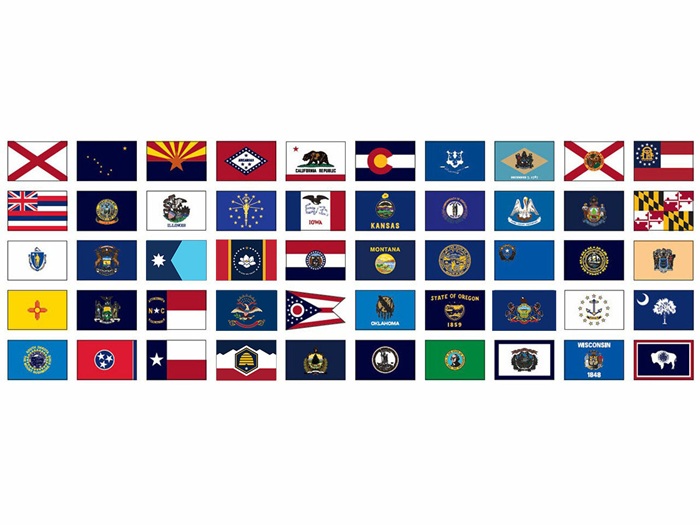
When reviewing all 50 U.S. state flags, certain patterns become clear.
Many states use a similar format:
- A solid background color
- A central seal or emblem
- Text or motto within the design
This approach provides detailed information but often reduces visual clarity.
Other states use simpler designs with fewer elements. These flags are easier to identify from a distance.
The contrast between these approaches creates variation across the collection.
Simple Designs That Stand Out
Flags with simple designs tend to perform better in recognition.
They use:
- Limited colors
- Minimal text
- Clear shapes
These elements make them easier to remember.
For example, flags with distinct color patterns or strong symbols can be identified quickly without needing close inspection.
This simplicity improves visibility and usability.
Detailed Designs and Their Challenges
Many state flags include detailed seals.
These seals often contain:
- Historical scenes
- Agricultural elements
- Tools and symbols of industry
- Natural features
While these details provide depth, they can make the flag harder to interpret at a glance.
This creates a trade-off between detail and clarity.
Understanding these designs requires closer examination.
Role of History in Flag Design
History plays a major role in shaping state flags.
Many designs include references to:
- Founding periods
- Important events
- Cultural traditions
These elements connect the flag to the state’s past.
They provide context and meaning, even if they are not immediately visible.
Geographic Influence on Design
Geography also influences flag design.
Some flags include elements that represent:
- Rivers, mountains, or plains
- Local plants or animals
- Climate-related features
These references link the flag to the physical environment of the state.
They show how natural conditions shape identity.
Ranking Flags: What Matters Most?
When ranking state flags, the criteria can vary.
Some rankings focus on visual appeal, while others emphasize historical significance or symbolic meaning.
Common factors include:
- Simplicity and clarity
- Strength of symbolism
- Uniqueness of design
- Ease of recognition
Different priorities lead to different rankings.
This makes the evaluation process subjective.
Surprising Observations Across the Collection
When examining all 50 U.S. state flags together, some observations stand out.
Many flags look similar due to the use of central seals. This can make it difficult to distinguish them quickly.
At the same time, a few flags stand out because they use different design approaches.
These differences highlight how design choices impact recognition and interpretation.
Conclusion
America’s state flags form a diverse and structured collection.
While some designs are simple and others are detailed, each flag reflects aspects of identity, history, and environment.
By studying all 50 U.S. state flags, you can move beyond basic recognition and understand how visual design communicates meaning across the country.