
Knit socks are one of the most comfortable choices for daily wear. They are suitable for casual use, sports, work, and even cold weather. However, not every pair offers the same level of comfort and durability. The quality of the fabric, the construction, and the fit all play a major role in how well the socks perform.
If you are planning to buy knit socks, it is important to know what to check before making your purchase. Looking at a few important factors can help you choose socks that last longer and feel comfortable throughout the day.
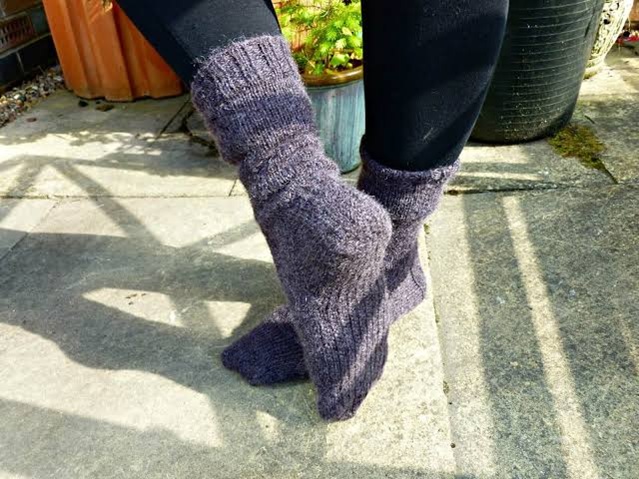
What Should You Look for Before Buying Knit Socks?
Check the Material Quality
The first thing to look at is the material used in the socks. The fabric determines how soft, breathable, and durable the socks will be.
Cotton knit socks are a common choice because they feel soft and absorb moisture well. Wool knit socks are suitable for colder weather as they help retain warmth. Synthetic fibers like polyester and nylon are often added to improve durability and help the socks keep their shape after repeated washing.
A good combination of materials usually offers better comfort than a single fabric.
Look at the Stitching
The stitching quality tells a lot about the overall construction of the socks. Poor stitching may lead to loose threads, discomfort, or early wear.
Check the toe seam and heel area carefully. These sections experience the most pressure during regular use. Strong stitching helps the socks maintain their shape and reduces the chances of tearing.
If possible, gently stretch the socks to see whether the stitches remain firm without creating gaps.
Choose the Right Size
Even a high quality pair of socks can become uncomfortable if the size is incorrect.
Socks that are too tight may reduce comfort during long hours of use. Socks that are too loose may slip inside the shoe and create friction while walking.
Always compare the size with the manufacturer’s sizing guide before buying. Choosing the correct size helps the socks fit naturally without excessive stretching.
Check the Thickness
Knit socks are available in different thickness levels. The right option depends on where and how you plan to use them.
Thicker socks provide extra cushioning and warmth. They are suitable for winter and outdoor activities.
Thinner socks offer better airflow and are comfortable during warmer months. They also fit well inside formal shoes where extra thickness may feel uncomfortable.
Choosing the right thickness can improve comfort throughout the day.
Examine the Elastic Band
The elastic band at the top of the sock should hold the sock in place without creating pressure around the leg.
A weak elastic may allow the socks to slide down while walking. An overly tight band may leave marks on the skin after long periods of wear.
A balanced grip provides comfort while keeping the socks securely positioned.
Consider the Intended Use
Different activities require different types of knit socks.
Daily wear socks focus on comfort and breathability. Athletic socks often include additional cushioning and moisture control. Winter socks provide better insulation for cold conditions.
Choosing socks according to their intended purpose helps you get better performance and longer service life.
Look for Easy Maintenance
Some knit socks require special washing methods, while others can be cleaned with regular laundry.
Before buying, read the care instructions provided on the label. Socks that can be machine washed without losing their shape are usually more convenient for regular use.
Proper care also helps maintain the appearance and comfort of the socks after repeated washing.
Check for Custom Options
Many businesses, sports teams, schools, and organizations prefer custom knit socks instead of standard designs.
Custom options allow you to include logos, colors, patterns, or text that represent your brand or group. Before placing an order, check the material quality, production standards, and minimum order quantity offered by the supplier.
It is also helpful to request a sample if available. This allows you to inspect the stitching, fabric quality, and overall finish before placing a larger order.
Buy from a Reliable Supplier
The supplier plays an important role in the quality of the final product.
Look for companies with consistent product quality and positive customer feedback. Product specifications should clearly mention the material composition, available sizes, and care instructions.
If the information is clearly presented, it becomes easier to compare products and make a suitable choice.
Conclusion
Buying knit socks involves more than choosing a color or pattern. Material quality, stitching, size, thickness, elasticity, and intended use all contribute to comfort and durability. Looking at these factors before making a purchase can help you select socks that perform well during regular use.