
Hose fittings are important components used to connect hoses with different equipment, pipes, and hydraulic systems. They have to handle pressure, temperature, vibration, and continuous movement during operation.
Therefore, a professional hose fittings manufacturer must follow proper manufacturing standards to produce fittings that can work safely and consistently.
There are different standards related to material selection, dimensions, pressure ratings, testing, and quality control. Following these standards helps manufacturers produce fittings that are suitable for their intended applications.
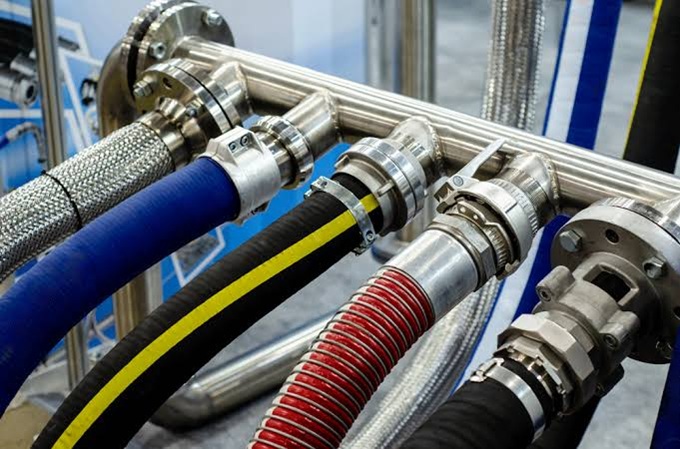
What Manufacturing Standards Should a Professional Hose Fittings Manufacturer Follow?
ISO 9001 Quality Management Standard
ISO 9001 is one of the important standards that a professional hose fittings manufacturer can follow for its quality management system.
It focuses on maintaining consistent processes during manufacturing and quality control. This includes checking raw materials, production procedures, inspection methods, and final products.
A manufacturer following ISO 9001 should have proper procedures for identifying defects and controlling production processes.
This helps reduce manufacturing errors and maintain consistent product quality.
SAE Standards for Hydraulic Hose Fittings
SAE standards are widely used for hydraulic components, including hose fittings. These standards specify requirements related to dimensions, materials, pressure ratings, and performance.
For example, SAE J517 covers hydraulic hose requirements, while related SAE standards are used for different types of hydraulic fittings and connections.
A professional manufacturer should identify the applicable SAE standard according to the type of fitting being produced.
This is important because different fittings can have different connection types and pressure requirements.
ISO Standards for Hose Connections
ISO standards are also important for hose fittings used in industrial and hydraulic applications.
Standards such as ISO 12151 cover hydraulic hose fittings and their connection requirements. Other ISO standards cover different connection types, dimensions, and applications.
Therefore, the manufacturer has to select the relevant standard according to the fitting design and intended use.
Following the correct ISO specification helps maintain compatibility between the fitting, hose, and connected equipment.
Material Quality Standards
The material used to manufacture hose fittings has a direct effect on their performance.
Common materials include stainless steel, carbon steel, brass, and other suitable alloys. The material must be selected according to pressure, temperature, fluid type, and operating conditions.
A professional hose fittings manufacturer should inspect incoming raw materials before using them in production.
The manufacturer should also maintain proper material records so that the source and specification of the material can be identified when required.
Poor material quality can result in corrosion, cracks, leakage, or premature fitting failure.
Dimensional Accuracy
Hose fittings have to match the hose and connection point correctly. Even a small dimensional error can create leakage or connection problems.
Therefore, manufacturers should follow the dimensional requirements specified by the relevant standard.
The thread size, fitting diameter, connection type, and other important measurements should be checked during production.
Precision measuring instruments can be used to verify these dimensions before the fittings are released for use.
Pressure Testing Standards
Hydraulic hose fittings are commonly exposed to high operating pressure. Because of this, pressure testing is an important part of manufacturing.
The fitting should be tested according to the applicable standard and its intended pressure rating.
Testing can help identify leakage, deformation, or other failures before the product reaches the customer.
A manufacturer should also maintain records of the testing process and results for quality control purposes.
Corrosion Resistance Requirements
Fittings used in outdoor, industrial, marine, or other demanding applications may be exposed to moisture and corrosive substances.
For this reason, the surface treatment and material selection should be appropriate for the application.
Manufacturers may use suitable plating or protective finishes to improve corrosion resistance.
The selected treatment should also meet the requirements of the applicable product specification.
Proper Quality Inspection
Manufacturing standards are useful only when the manufacturer applies proper inspection procedures.
Each production stage should be checked for issues related to dimensions, threads, surface condition, material, and overall fitting quality.
Final inspection should be performed before the fittings are packed and supplied.
If a problem is found, the affected products should be identified and removed from the production batch.
Certification and Product Traceability
A professional manufacturer should also maintain proper certification and product documentation.
These documents can include material certificates, inspection reports, pressure test records, and applicable standard certifications.
Product traceability is useful when a customer needs to identify the manufacturing batch or material specification of a fitting.
It also helps manufacturers investigate quality problems and take corrective action when required.
Conclusion
These are some of the important manufacturing standards and quality practices that a professional hose fittings manufacturer should follow.
ISO and SAE standards can provide requirements for quality systems, dimensions, materials, connections, and performance. Material inspection, dimensional checks, pressure testing, corrosion protection, and final inspection are also important parts of the manufacturing process.
By following the applicable standards and maintaining proper quality control, manufacturers can produce hose fittings that are suitable for their intended applications and provide reliable performance during operation.