
Custom signature rubber stamps are widely used in offices to save time and reduce repetitive signing work. They are especially helpful in environments where the same signature is required on multiple documents. However, a common concern is how accurate these stamps are and whether they are suitable for official use.
In this article, we will look at how signature stamps perform in terms of accuracy, what affects their output, and where they can be used safely.
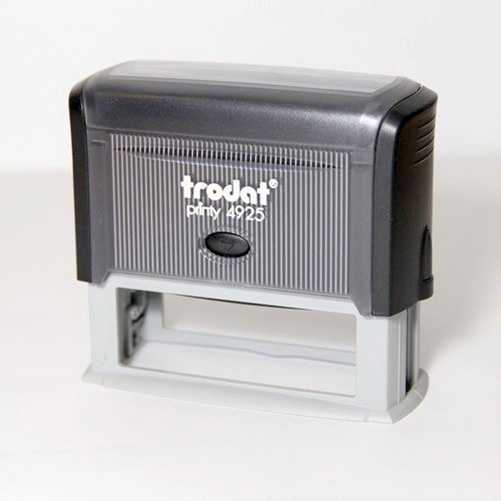
How Accurate are Custom Signature Rubber Stamps for Official Use?
What is a Custom Signature Rubber Stamp?
A custom signature rubber stamp is a stamp that replicates a person’s handwritten signature. It is created using a scanned version of the signature and converted into a stamp format.
Many people use tools like a Signature Stamp Generator to create a clean and clear version of their signature before turning it into a physical stamp. This process helps maintain consistency across all documents.
How Accurate are Signature Stamps?
The accuracy of a signature stamp depends on how well the original signature is captured and how the stamp is manufactured.
In most cases, a high quality stamp can closely match the original signature. The shape, spacing, and flow of the signature are usually preserved. However, it is important to understand that it is still a reproduction. It may not fully reflect the natural pressure variations or slight changes that occur in a handwritten signature.
For general office use, the difference is usually not noticeable. But for sensitive documents, even small variations can matter.
Factors That Affect Accuracy
Several factors can influence how accurate a signature stamp appears on paper.
Quality of the Original Signature
If the original signature is clear and well scanned, the final stamp will look better. Poor image quality can lead to broken lines or unclear edges.
Stamp Material
The material used in the stamp plays a major role. Rubber stamps with fine engraving tend to produce sharper results compared to low quality alternatives.
Ink Quality
The type of ink used can affect the final impression. Too much ink can cause smudging, while too little can make the signature appear faint.
Stamp Pressure
Uneven pressure while stamping can distort the signature. A consistent press gives the best result.
Are Signature Stamps Accepted for Official Use?
The acceptance of signature stamps depends on the type of document and the rules of the organization.
For internal documents such as invoices, approval sheets, or routine paperwork, signature stamps are commonly accepted. They help speed up processes and maintain uniformity.
However, for legal documents, contracts, or financial agreements, many institutions prefer handwritten signatures. This is mainly due to concerns about authenticity and misuse.
Before using a signature stamp for official purposes, it is important to check the guidelines of the relevant authority.
Advantages of Using Signature Stamps
Signature stamps offer several practical benefits in daily operations.
They save time by eliminating the need to sign repeatedly. This is useful in offices that handle large volumes of paperwork.
They also provide consistency. Every stamped signature looks the same, which helps maintain a standard format across documents.
In addition, they reduce physical strain, especially for individuals who need to sign documents frequently.
Limitations You Should Know
Despite their convenience, signature stamps have certain limitations.
They can be misused if not stored properly. Anyone with access to the stamp can replicate the signature.
They also lack the natural variation found in handwritten signatures, which may raise concerns in strict verification processes.
In some cases, faded or unclear impressions can reduce the professional appearance of documents.
Conclusion
Custom signature rubber stamps are accurate enough for most routine tasks and internal documentation. With the help of a good Signature Stamp Generator and proper stamp quality, the results can closely match a handwritten signature. However, their use in official or legal documents depends on specific requirements. By understanding their strengths and limitations, you can decide where they fit best in your workflow.