
Managing massive audiovisual projects takes more than just fancy cameras and skilled editors. These teams juggle huge schedules, tight budgets, and complex logistics. Behind every epic commercial or event is a company that operates like a well-oiled machine. They plan, coordinate, and adapt constantly to keep things moving. The people involved work like a crew on a ship—everyone has a role, and timing is everything. Let’s take a closer, behind-the-scenes look at how they make it all happen.
Blueprints Before the Camera Rolls
Every big production starts with a clear, detailed plan—this is the foundation of success. Project managers gather all the needs of the client, audience, and message early on. These early meetings shape the script, schedule, and production timeline down to the smallest detail. Production teams use this blueprint to align technical teams, creatives, and location managers. This planning phase can take weeks or even months, depending on the project’s size. Nothing moves forward until every line is drawn and every idea approved.
Tech Coordination Behind the Scenes
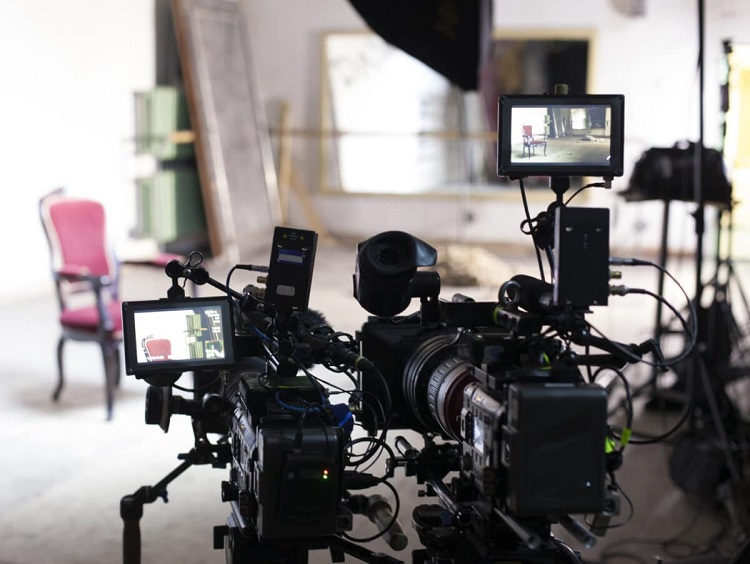
Big productions involve a mountain of equipment, from drones to lighting grids and editing suites. Technicians and engineers plan weeks in advance to test gear and ensure everything works smoothly. Each piece of equipment is labeled, tracked, and assigned to specific tasks or shooting days. AV teams run technical rehearsals, especially when live broadcasting is involved, to avoid real-time glitches. Backup plans and extra tools are always in place to manage any on-site breakdowns. The smoother the gear runs, the more seamless the production looks to the viewer.
Casting, Locations, and Logistics
Finding the perfect actors, filming spots, and travel routes is another full-time job. Location scouts and casting directors work closely with the vision of the director to bring scenes to life. Securing permits, travel bookings, and lodging for large teams is like managing a mini-city. Timelines are built around location availability and actor schedules, requiring extreme flexibility. Some scenes may even be filmed months apart due to seasonal conditions or actor availability. A top-tier productora audiovisual Valencia handles these moving parts with tight precision.
The Final Orchestration
Once the shooting wraps, editing and polishing begin—this is where the project comes together. Editors sift through hours of footage, choosing perfect shots while color grading and syncing sound. Motion designers and visual effects teams bring stories to life frame by frame. Feedback rounds with clients are frequent, sometimes requiring multiple re-edits before final delivery. Deadlines are tight, and quality can’t be sacrificed, especially with broadcast or launch dates set. Post-production turns raw content into emotional, high-impact visual stories.
Conclusion
Managing a large-scale audiovisual project is a complex, creative marathon requiring structure, trust, and grit. Each phase—from planning to post—relies on precise timing and teamwork. These companies don’t just shoot videos; they create experiences, often under incredible time and logistical pressure. What looks effortless on screen is the result of thousands of small, well-executed moves behind the scenes. With the right people and process, these production giants transform ideas into stunning realities that leave lasting impressions.