
A hunting knife is one of the most important tools a hunter can carry. It helps with field dressing, skinning, cutting rope, preparing camp materials, and many other outdoor tasks. Because of this, choosing the right knife is essential.
However, many hunters make mistakes during the buying process. Some focus only on appearance, while others choose a knife without considering its intended use. These mistakes can lead to poor performance in the field and unnecessary expenses.
Let us look at the most common mistakes hunters make when buying Hunting knives and how to avoid them.
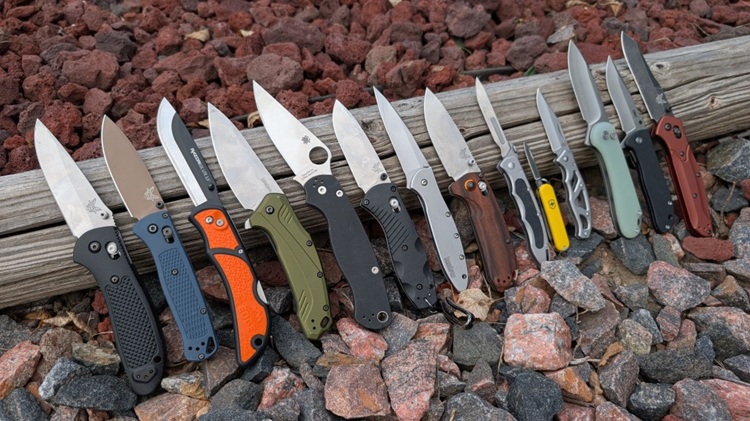
Most Common Mistakes Hunters Make When Buying a Hunting Knife
Choosing a Knife Based Only on Appearance
One of the most common mistakes is selecting a knife because it looks attractive. A polished blade, decorative handle, or stylish design may catch your attention, but appearance does not determine performance.
A hunting knife should be selected based on its functionality. The blade shape, handle grip, and overall durability are far more important than visual appeal.
Before purchasing a knife, think about the tasks you will perform. Choose a model that offers practical features rather than focusing only on design.
Buying the Wrong Blade Size
Many hunters assume that a larger knife is always better. In reality, an oversized blade can be difficult to control during detailed cutting tasks.
On the other hand, a blade that is too small may not be suitable for processing larger game.
Choose a blade size that matches your hunting needs. Medium sized Hunting knives are often suitable for most hunting activities because they provide a balance between control and cutting ability.
Ignoring the Blade Steel
The blade material plays a major role in the knife’s performance. Some buyers overlook this factor and focus only on price.
Different steel types offer different benefits. Some hold an edge longer, while others are easier to sharpen or provide better resistance to corrosion.
Learn about the blade steel before making a purchase. Select a material that suits your hunting environment and maintenance preferences.
Overlooking Handle Comfort
A knife may have an excellent blade, but it can still be difficult to use if the handle is uncomfortable.
Hunters often spend long periods using their knives. An uncomfortable grip can lead to hand fatigue and reduced control.
Hold the knife whenever possible before buying it. Check whether the handle feels secure and comfortable in your hand, especially in wet conditions.
Purchasing the Cheapest Option
Price is an important factor, but buying the least expensive knife available can create problems later.
Low quality knives may lose their sharp edge quickly, break under pressure, or develop rust after limited use.
Consider the knife as a long term investment. Spending a little more on quality can provide better reliability and durability.
Forgetting About Knife Maintenance
Some hunters purchase a knife without considering the maintenance it requires.
Every knife needs regular cleaning and sharpening. Certain blade materials may require additional care to prevent corrosion.
Choose a knife that matches the amount of maintenance you are willing to perform. This helps keep the knife in good condition for years.
Choosing the Wrong Knife Type
Not all Hunting knives are built for the same purpose. A knife that works well for skinning may not be ideal for general camp use.
Many buyers make the mistake of selecting a knife without understanding its primary function.
Identify your main hunting activities before making a purchase. Then select a knife designed for those specific tasks.
Conclusion
Buying a hunting knife may seem simple, but several mistakes can affect your overall experience. Choosing a knife based only on appearance, selecting the wrong blade size, ignoring blade steel, and overlooking handle comfort are some of the most common errors.
By understanding these mistakes and taking the time to evaluate your options carefully, you can find Hunting knives that perform well in the field and serve you reliably for many hunting seasons.